Maintaining Clear Access and Visibility
Right-of-Way Clearing in Taylorsville for roads, easements, and utility corridors requiring vegetation control
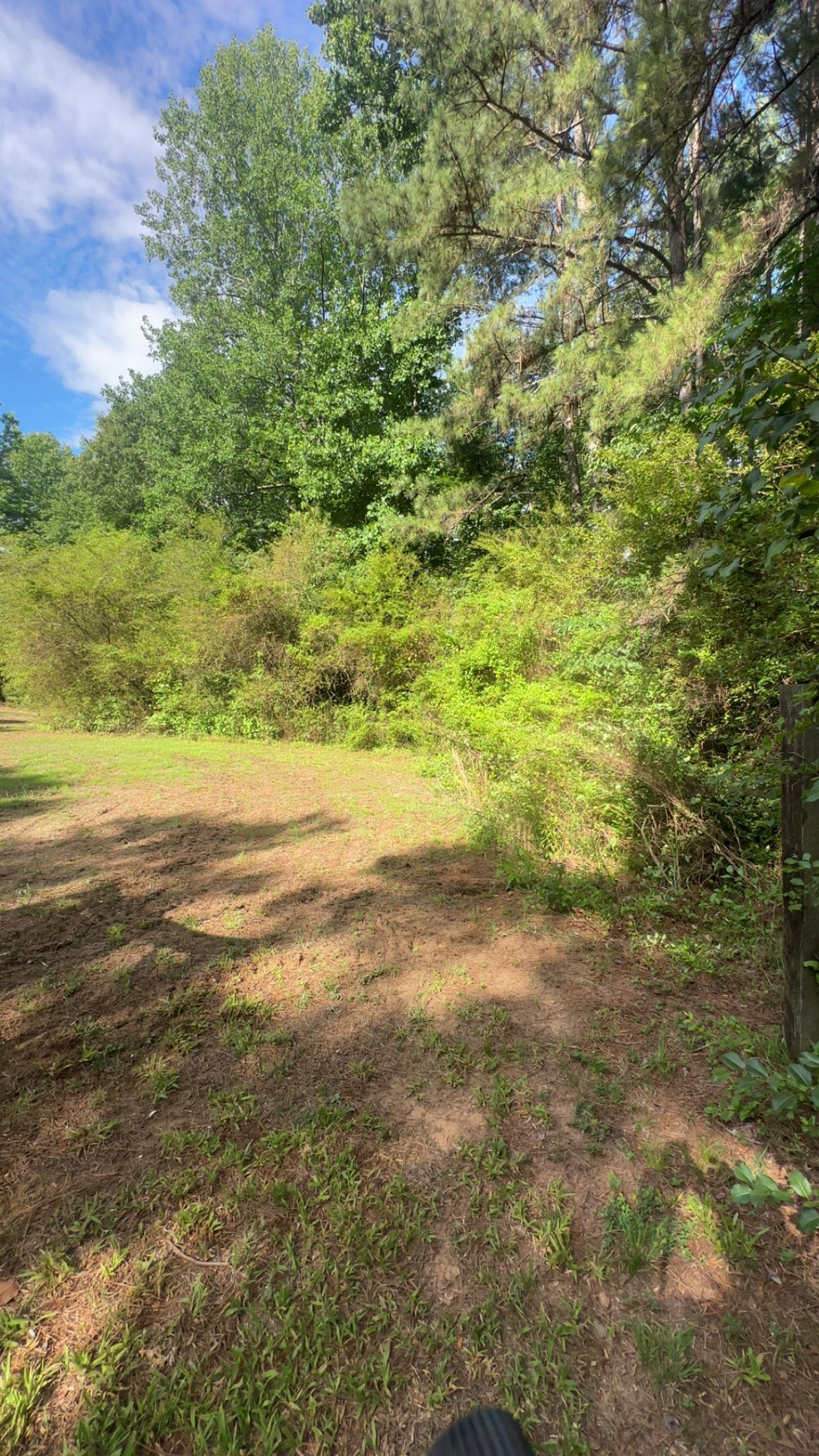
Vegetation along roads, access lanes, easements, and utility corridors grows quickly in the humid North Carolina climate, reducing visibility, blocking access, and interfering with power lines or drainage infrastructure within a single growing season. Foothills Land Management clears brush, trees, and overgrowth from rights-of-way on residential, commercial, agricultural, and private properties, maintaining the access and sight lines necessary for safe travel, utility maintenance, and property management. The work involves more than just cutting back what's visible—roots, stumps, and regrowth patterns all affect how soon the corridor will need clearing again.
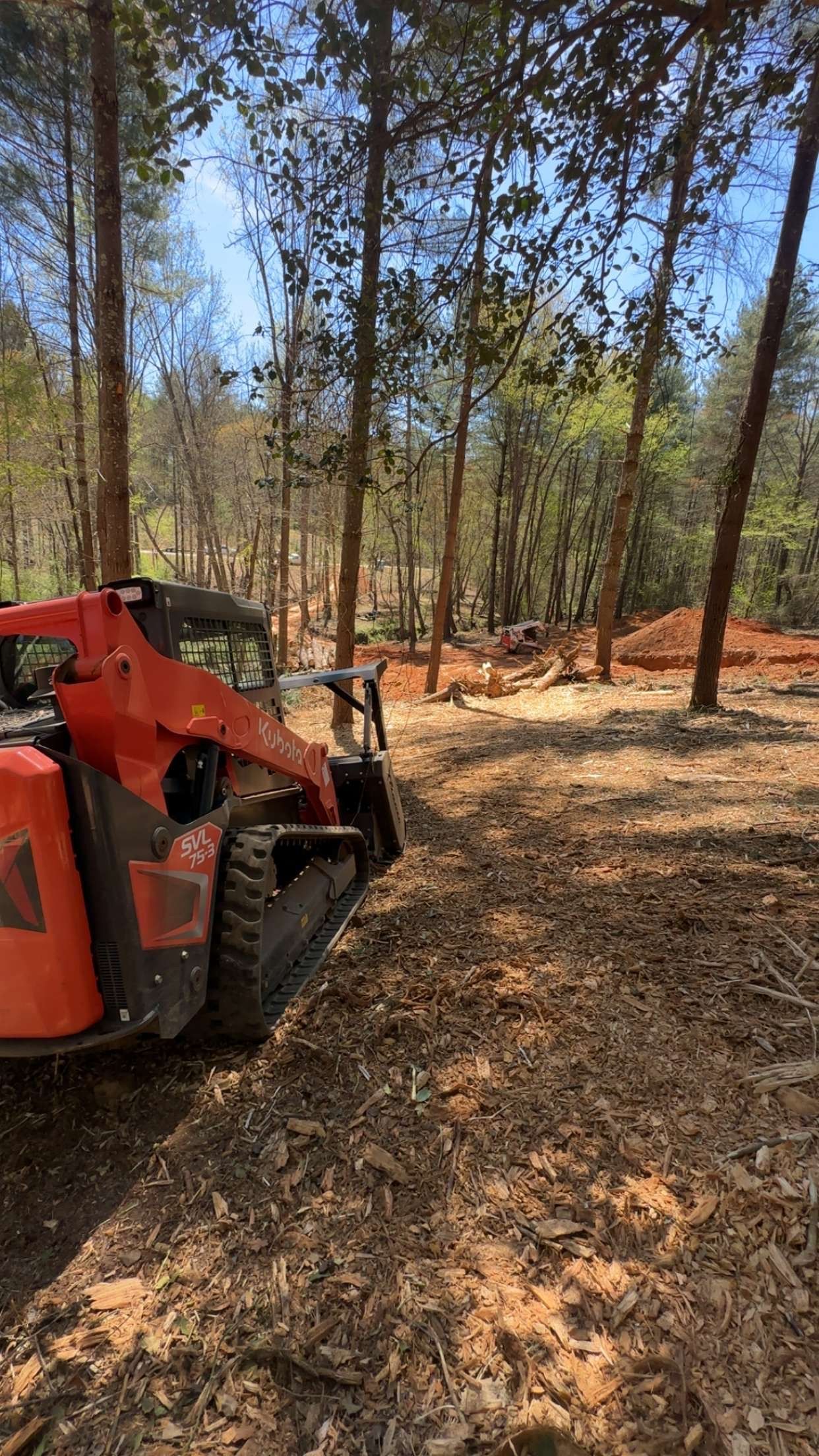
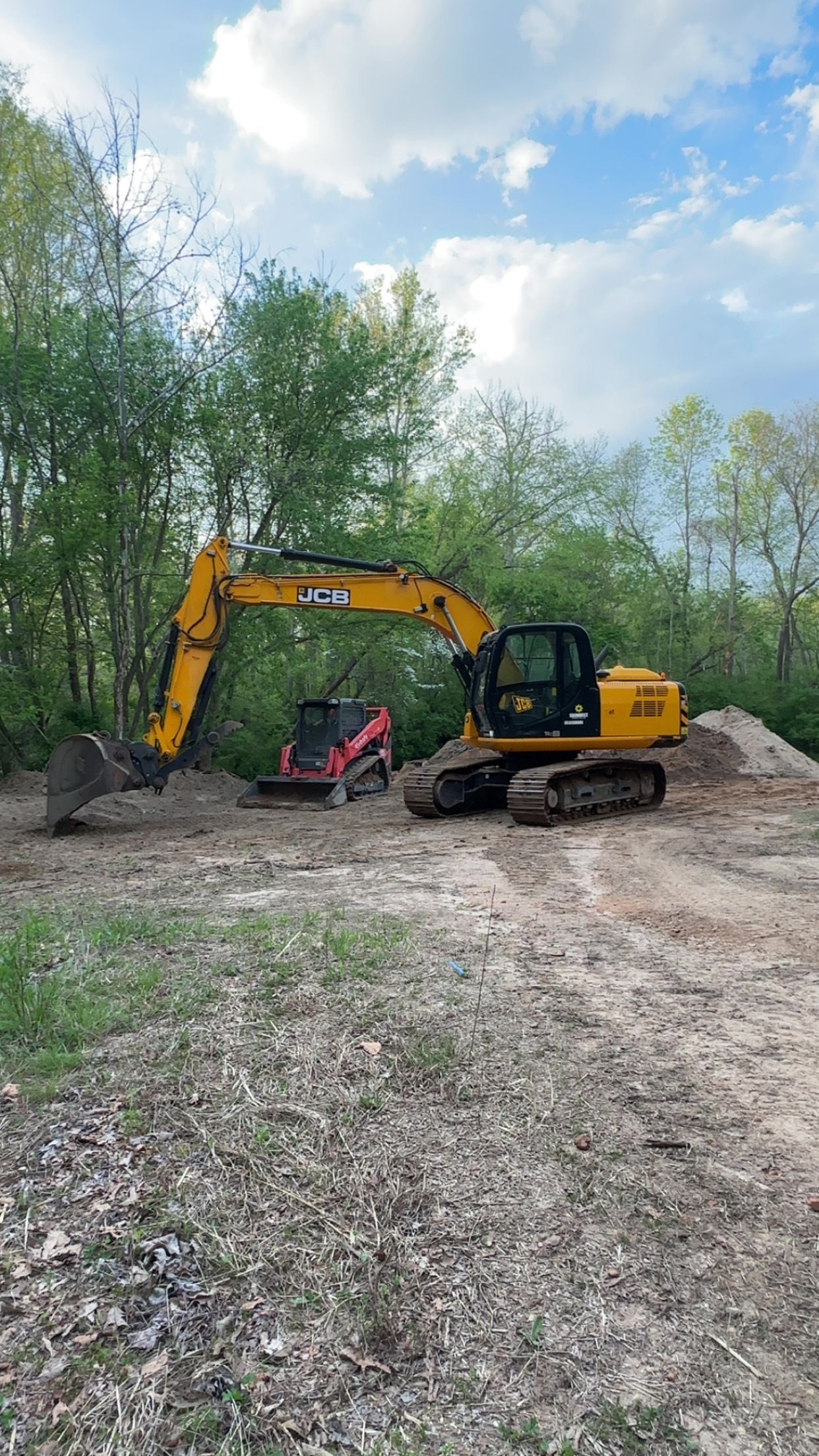
Right-of-way clearing removes vegetation to a specified width along roads, driveways, power lines, or boundary easements, using equipment that can work in narrow corridors without damaging adjacent areas. The process addresses both standing vegetation and low-hanging limbs that create visibility hazards or interfere with vehicle clearance, and it prepares the corridor for ongoing maintenance that prevents the same level of overgrowth from returning.
Arrange a site evaluation to review corridor width requirements and vegetation density along your right-of-way.
Why Right-of-Way Maintenance Prevents Larger Problems
Regular right-of-way clearing prevents vegetation from encroaching on traveled surfaces, blocking drainage ditches, or growing into utility lines where it causes outages during storms. Professional equipment allows precise clearing to the edges of the corridor without disturbing areas outside the easement, which matters for properties where cleared and natural areas need to remain distinct. Improved visibility at curves and intersections, clear access for utility crews, and maintained drainage along road edges are all outcomes of consistent corridor management.
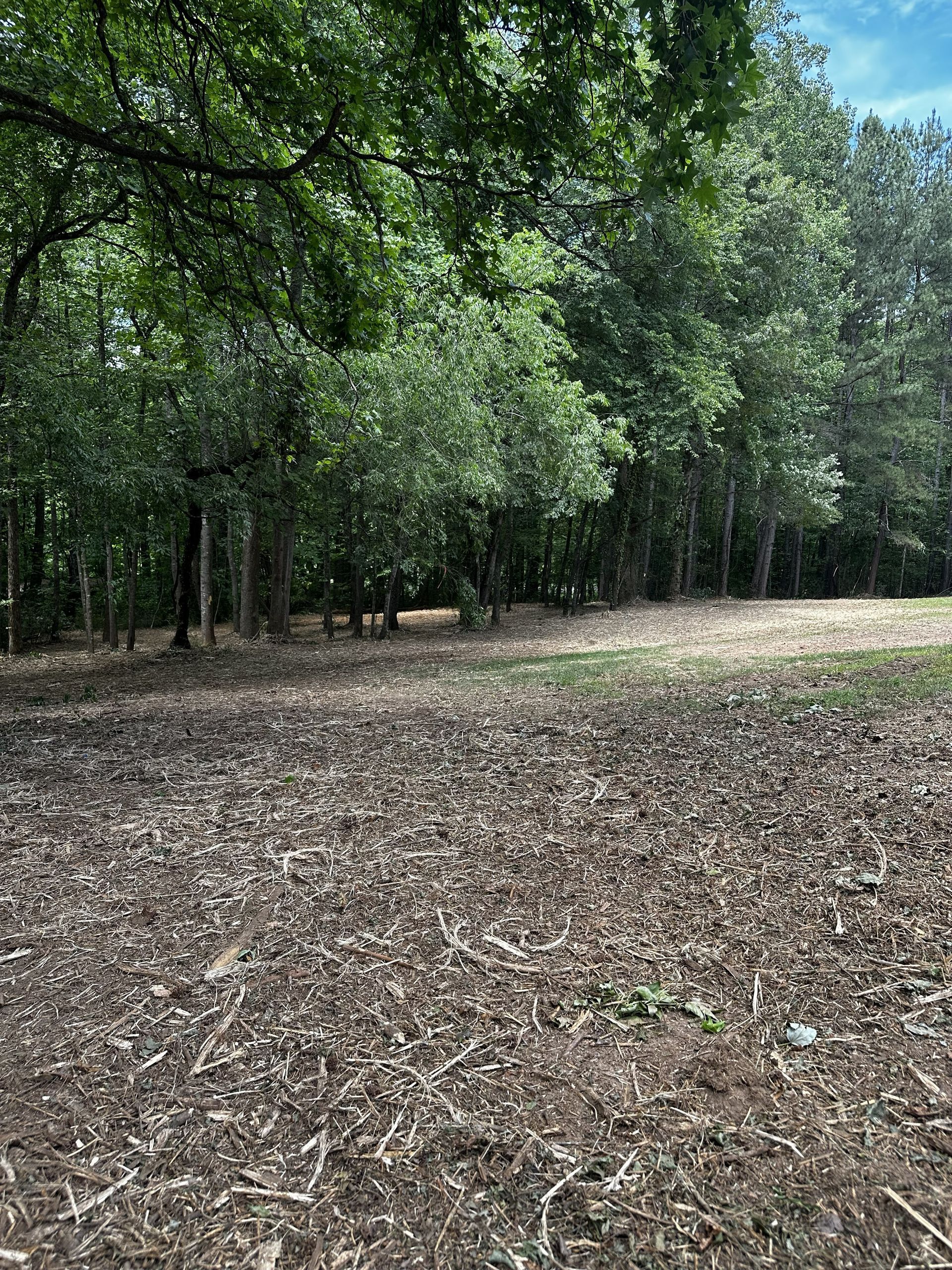
Once clearing is complete, you'll see defined corridor edges, unobstructed sight lines along the traveled way, and vegetation cut back to a width that accommodates equipment passage and future maintenance access. Driveways remain clear of overhanging limbs that scrape vehicles, power line corridors no longer have trees growing into the wires, and access lanes to farm fields or remote property areas become passable again. Efficient scheduling allows right-of-way work to happen during seasons when vegetation is dormant or when ground conditions support equipment access without creating ruts.
The clearing width depends on the corridor's purpose—utility easements may require 20 to 30 feet of clearance, while private driveways need only enough width for vehicle passage and sight distance. Insured service protects property owners during work near structures, fences, or sensitive areas, and the cleared vegetation is processed or removed rather than left in piles that block the corridor or create new maintenance issues.
What Property Owners Usually Ask
Right-of-way clearing involves balancing access needs with property aesthetics and ongoing maintenance, which leads to practical questions about scope and timing.
How wide does a right-of-way need to be cleared?
Clearing width depends on the corridor's use—utility easements follow specifications from the utility company, while private access lanes are cleared to the width needed for vehicle passage, typically 12 to 16 feet.
What's removed during right-of-way clearing?
The service removes brush, saplings, low-hanging tree limbs, and vegetation growing within the designated corridor, along with any dead or hazardous trees that could fall into the right-of-way during storms common in Taylorsville.
How often does right-of-way clearing need to happen?
Fast-growing species like privet, honeysuckle, and pine saplings require clearing every two to three years, while slower-growing hardwood areas may only need attention every five years depending on vegetation type and corridor use.
Can right-of-way clearing improve drainage along roads?
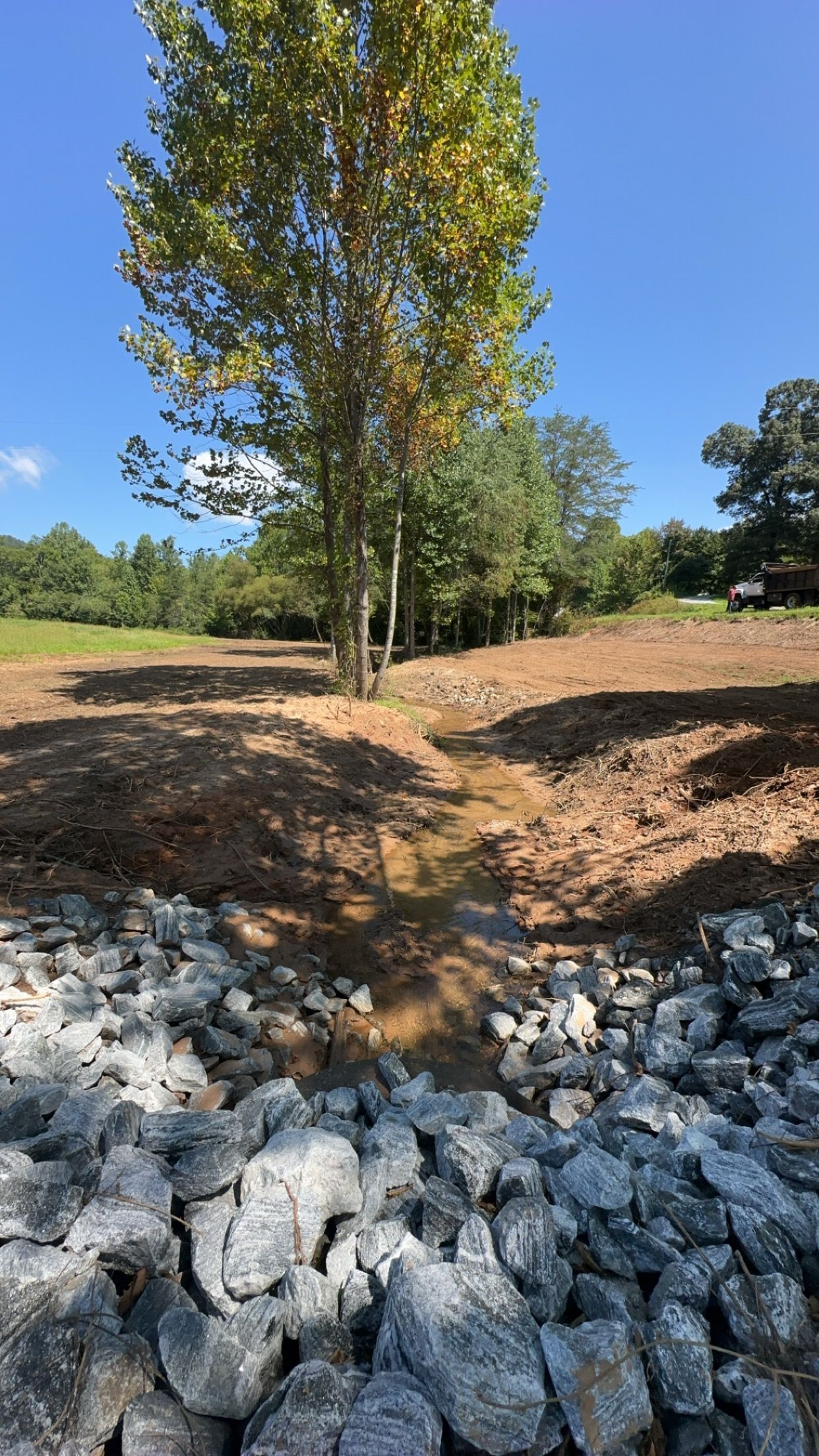
Clearing vegetation from roadside ditches and culvert areas restores water flow and prevents flooding during heavy rains, which is particularly important along gravel roads and farm lanes with minimal drainage infrastructure.
What happens to the cleared vegetation?
Material is either chipped into mulch and spread on-site, hauled away, or stacked for firewood depending on the volume, species, and what you specify during the estimate process.
Foothills Land Management maintains rights-of-way for safe access and long-term property management, working within easement boundaries and property specifications. Schedule a consultation to review your corridor clearing needs and discuss efficient maintenance intervals.