Clearing Debris After Timber Harvest
Logging Cleanup in Taylorsville for wooded properties following timber harvesting operations
Timber harvesting leaves behind slash piles, tops, limbs, and scattered debris that make the property difficult to navigate and increase fire risk during dry months. Foothills Land Management handles cleanup following logging projects on private land, farms, and wooded properties, removing the leftover material that loggers aren't contracted to address. The cleanup process transforms a site littered with logging waste into a property ready for replanting, conversion to pasture, wildlife management, or simply safe and accessible land use.
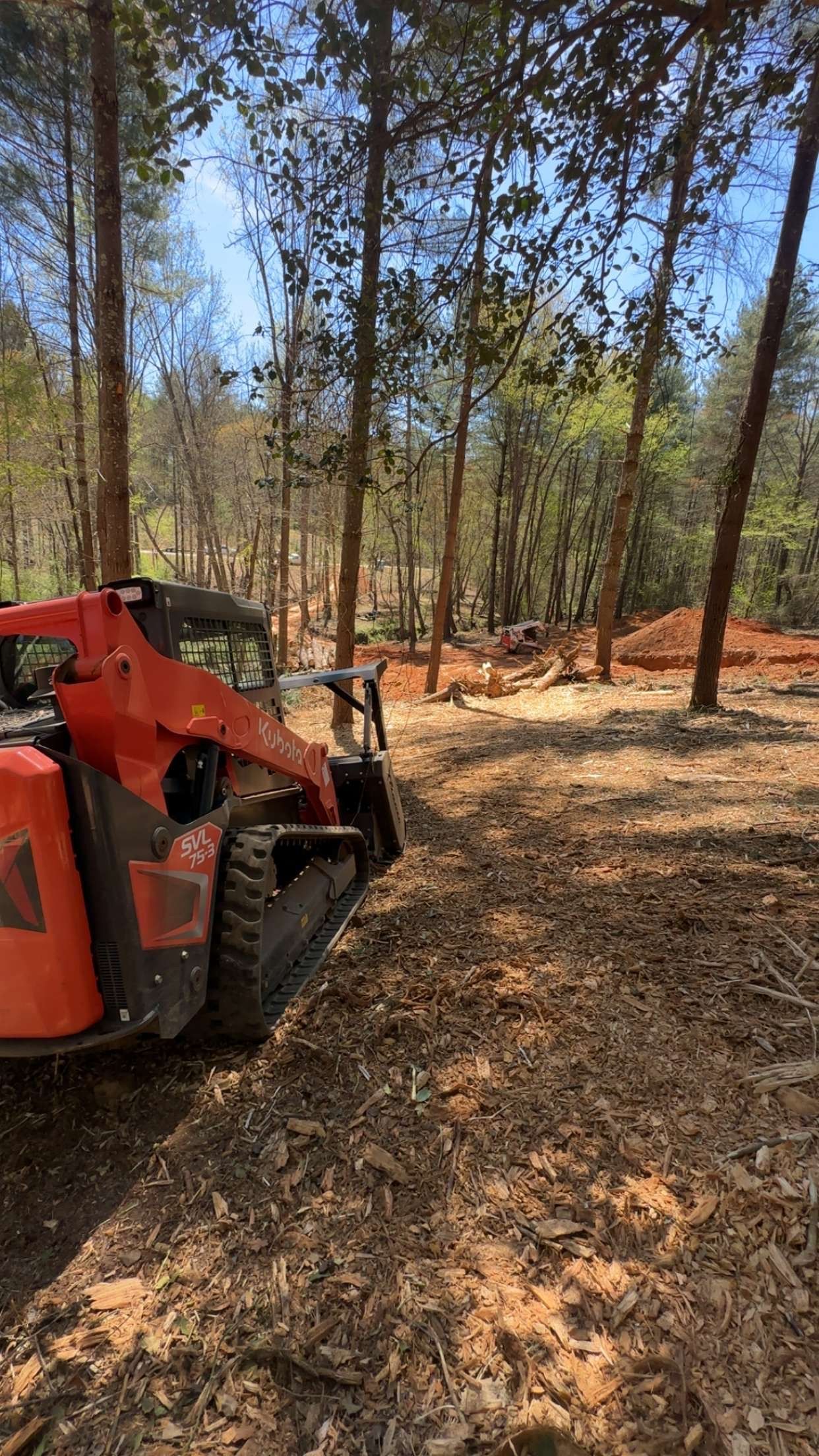
Logging cleanup involves gathering and processing the brush, limbs, and unusable wood left scattered across the harvest area, then either chipping it into mulch, piling it for controlled burning, or hauling it off-site. The work also addresses damage to access roads, skid trails, and areas where heavy equipment compacted or rutted the soil during wet conditions, which is common in the North Carolina foothills where clay soils hold moisture and logging often happens during winter months when timber prices are favorable.
Schedule a property visit to assess the volume of debris and determine the most efficient cleanup approach.
What Changes After Logging Waste Removal
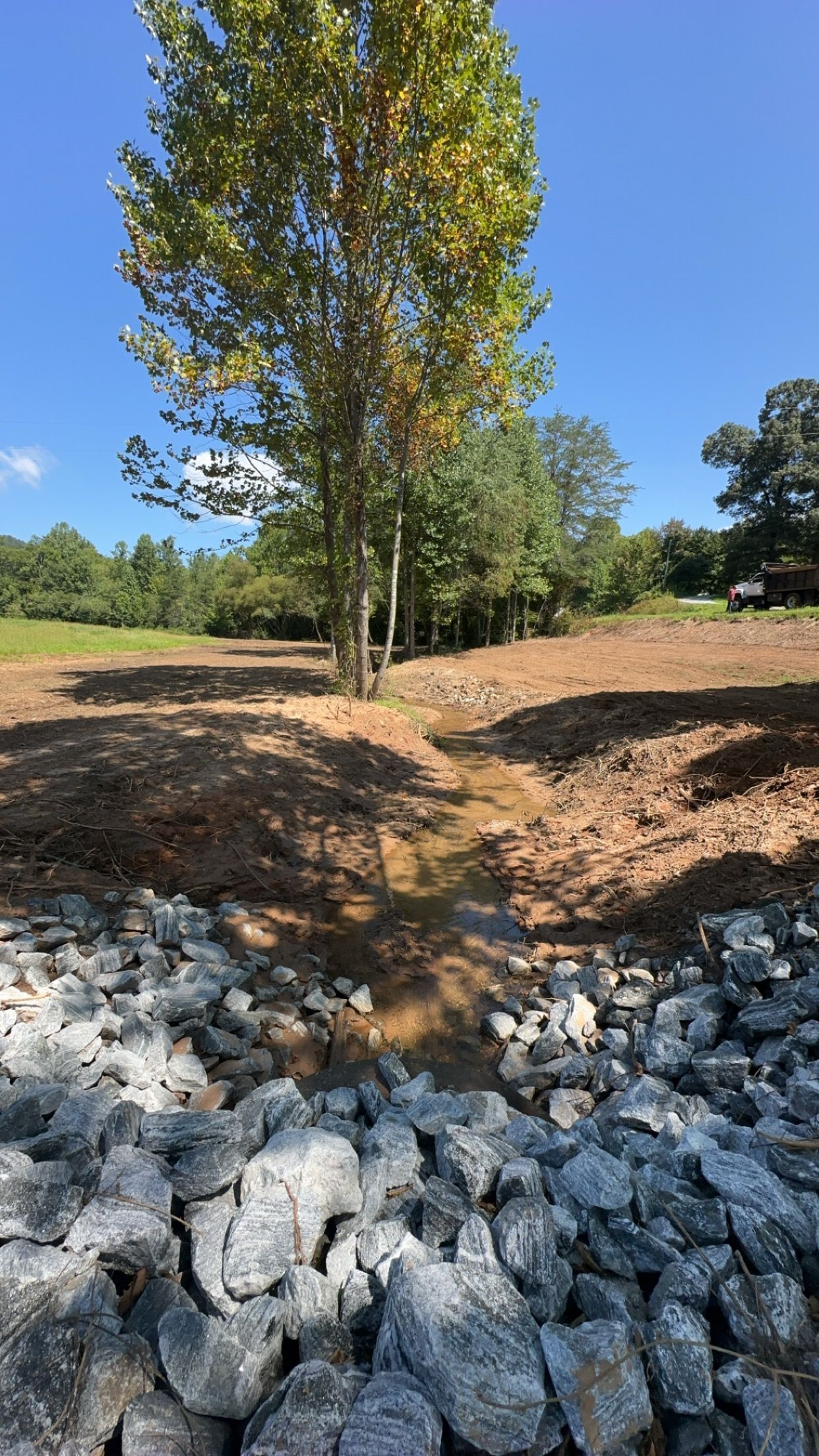
Cleanup removes the visual clutter and physical obstacles that logging operations leave behind, revealing the actual terrain and making the property usable again. Slash piles that block access roads and trails are cleared, scattered limbs and tops are gathered and processed, and the property transitions from a post-harvest mess to land you can walk, manage, or develop. Dependable scheduling ensures cleanup happens before debris dries out and becomes a fire hazard or before another growing season allows invasive species to colonize the disturbed soil.
After cleanup, you'll notice clear access along roads and trails, visibility across the harvested area, and a surface ready for the next phase—whether that's replanting pine seedlings, converting to pasture, or managing the land for wildlife. The property no longer presents the safety risks associated with hidden debris piles or tangled slash, and the cleaned site allows you to evaluate soil conditions, drainage patterns, and how you want to manage regeneration or future tree growth.
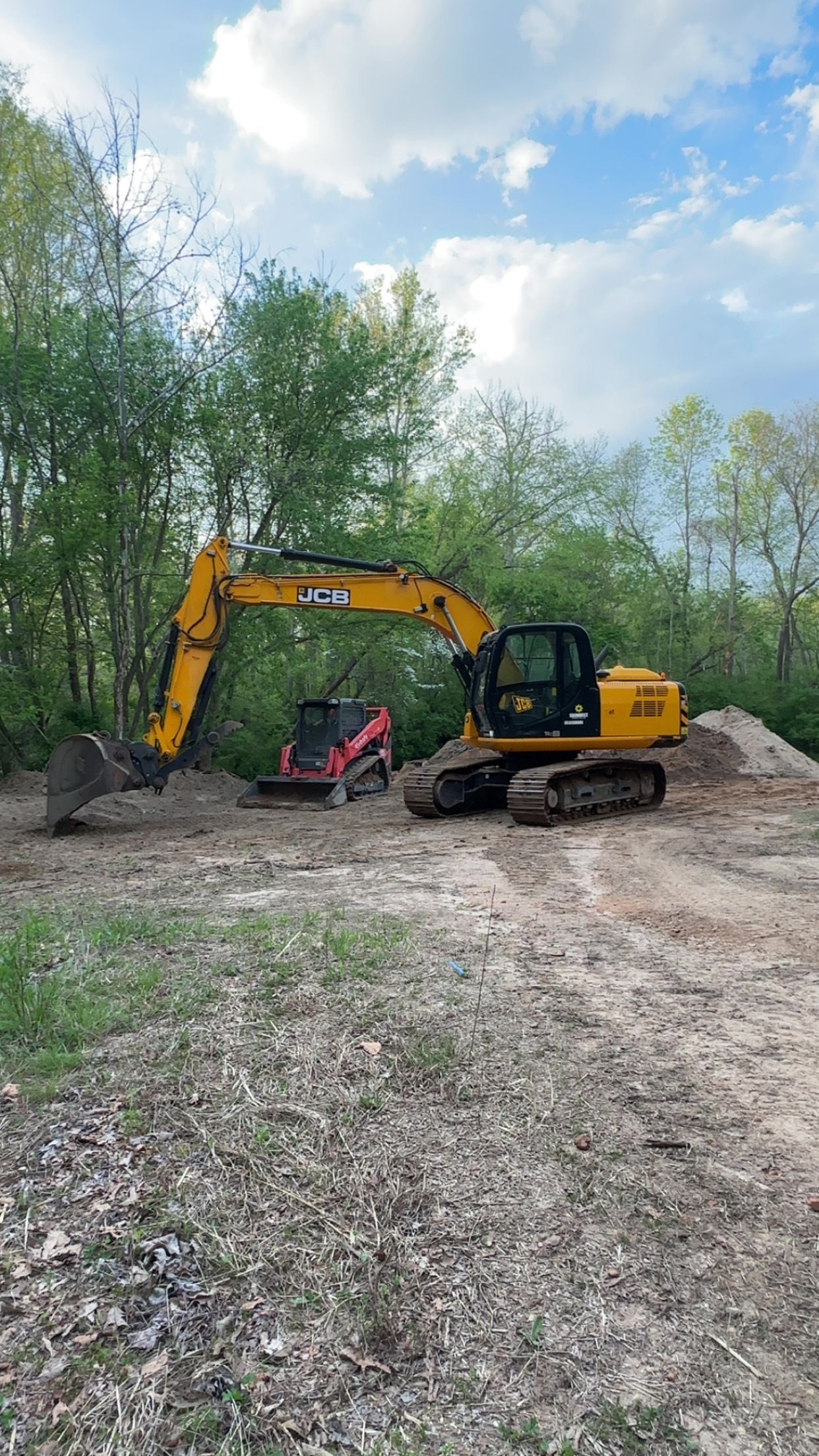
Professional cleanup also addresses lingering impacts like ruts in access roads or areas where logging equipment pushed soil and debris into piles that need redistribution. The goal is to leave the property in a condition that supports your plans without requiring additional work to correct damage or remove obstacles before you can move forward.
Questions Before Starting Your Project
Logging cleanup involves site-specific decisions about debris handling and property restoration that depend on your plans for the land.
What's the difference between logging cleanup and land clearing?
Logging cleanup focuses on removing debris left after timber harvest, while land clearing removes standing vegetation to prepare raw land for development or use.
How is logging debris processed during cleanup?
Debris is typically chipped into mulch that can be spread on-site, piled for controlled burning if local regulations allow, or loaded and hauled to a disposal site depending on volume and your preference.
When should logging cleanup happen after timber harvest?
Cleanup works best soon after logging finishes, before debris dries and becomes harder to process and before spring growth makes it difficult to distinguish logging waste from natural regeneration.
Can cleanup repair damage to access roads or skid trails?
Cleanup includes regrading rutted roads and trails where practical, though extensive erosion repair or road rebuilding may require additional grading work beyond standard debris removal.
What happens to the stumps left after logging?
Stumps remain in place during standard logging cleanup unless you specify grinding or removal, which is common if you're converting the property to pasture or preparing it for future development in Taylorsville.
Foothills Land Management coordinates logging cleanup to fit your timeline and property goals, ensuring the site is ready for replanting, conversion, or continued management. Request a free estimate to review debris volume and cleanup options for your wooded property.