Clearing Land While Preserving Soil Quality
Forestry Mulching in Taylorsville for properties requiring vegetation control with minimal ground disturbance
Forestry mulching uses a specialized tracked machine with a rotating drum and cutting teeth to grind brush, undergrowth, and small trees into a layer of organic mulch that remains on the ground. This method clears vegetation without the soil disruption that comes from pushing, piling, and burning, which makes it effective for properties where erosion control matters or where you want to maintain the natural topsoil layer. Foothills Land Management uses forestry mulching for residential, commercial, agricultural, and recreational properties throughout Taylorsville where the goal is vegetation removal without turning the site into raw dirt.
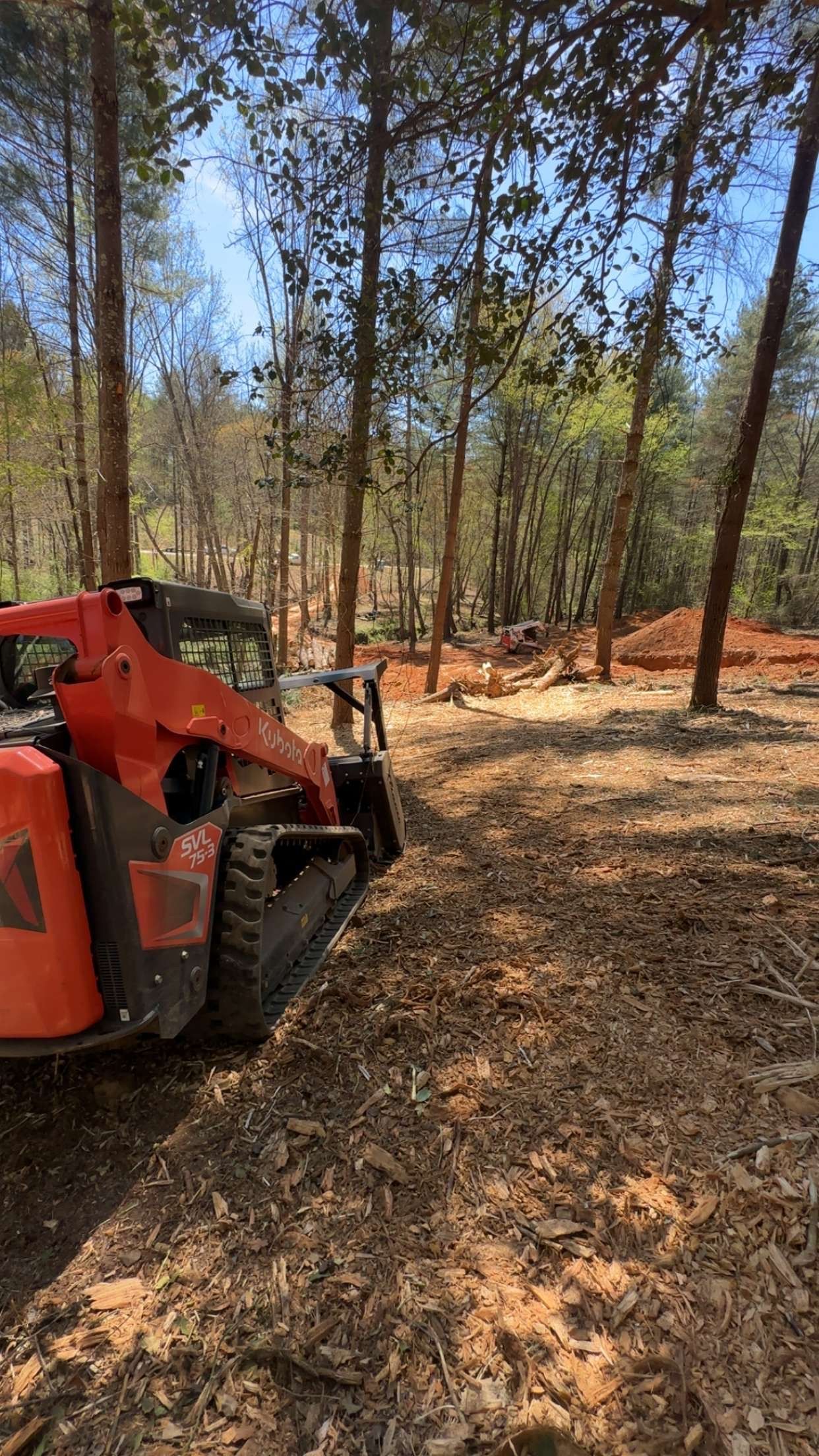
The mulching process cuts vegetation at ground level and grinds it into uniform chips that settle into a protective layer several inches thick, covering the soil and suppressing regrowth. Unlike traditional clearing that removes all organic material, mulching leaves nutrients in place and creates a surface that absorbs rainfall instead of shedding it, which reduces runoff and erosion on sloped terrain common in the foothills.
Request a site consultation to determine whether forestry mulching suits your property's vegetation type and intended use.
How Forestry Mulching Addresses Overgrowth
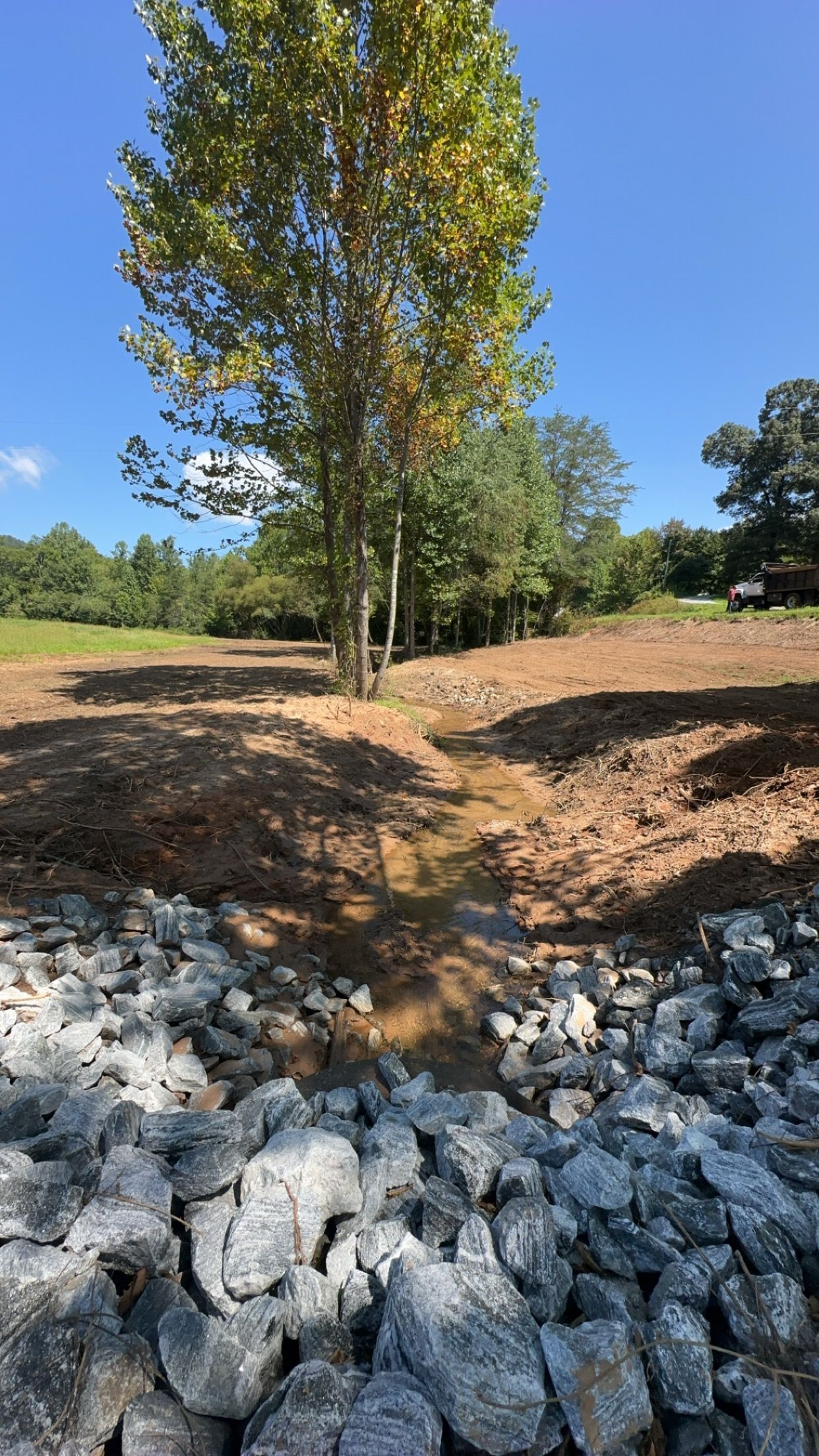
Forestry mulching works best for clearing brush, saplings up to six inches in diameter, invasive undergrowth, and dense thickets where you want to maintain soil integrity and avoid the bare ground left by traditional dozing. The rotating drum grinds vegetation continuously as the machine moves, which means no debris piles, no hauling, and no open burn requirements. Properties with steep slopes, sensitive areas near streams, or locations where you're clearing for pasture improvement or wildlife management benefit from the reduced ground disturbance and the erosion-suppressing mulch layer that results.
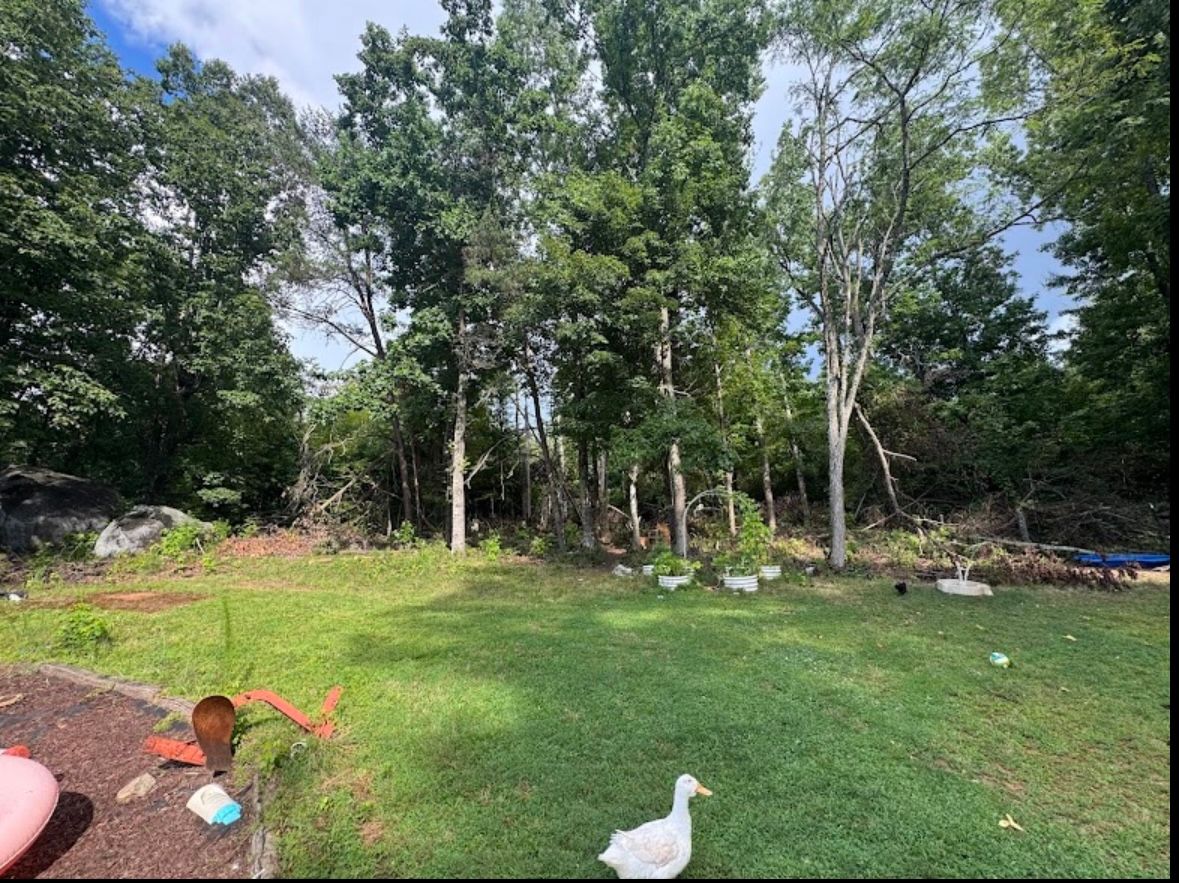
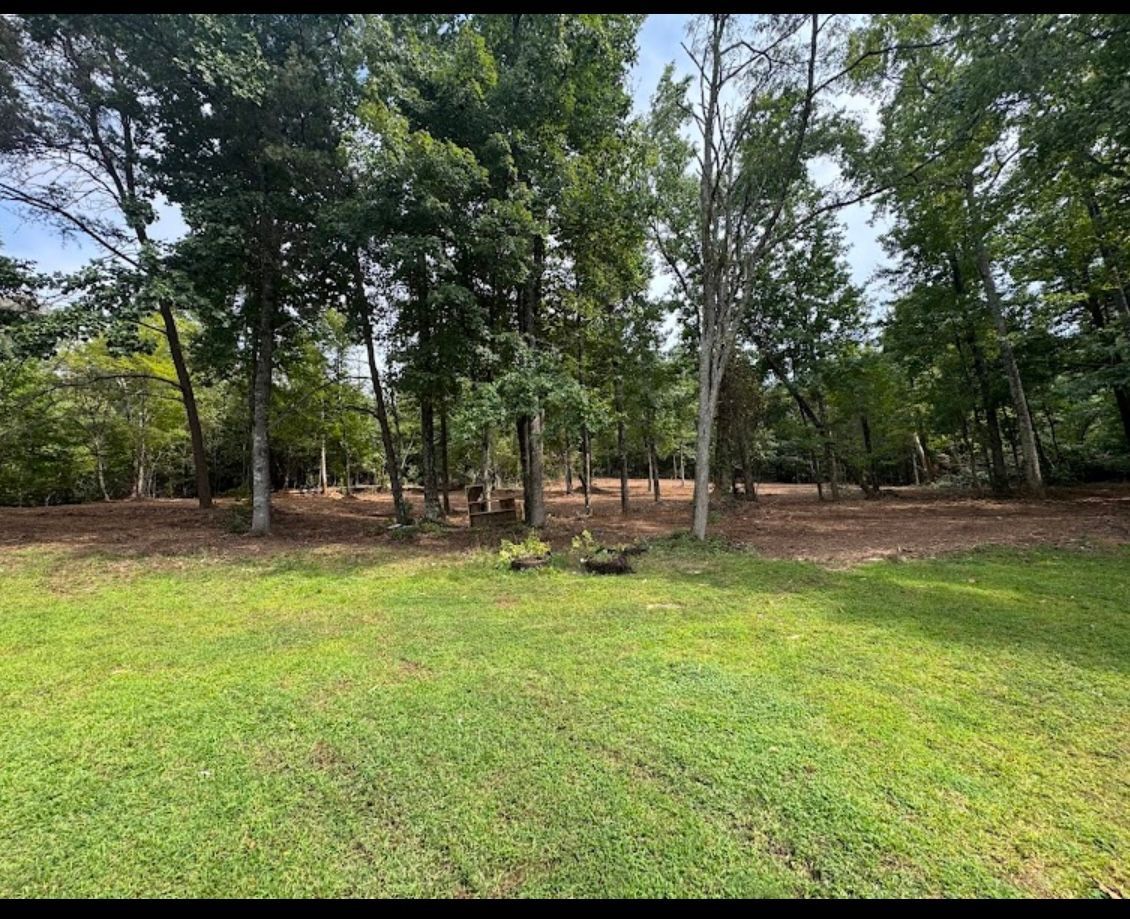
Once mulching is complete, you'll notice cleared sight lines and access paths, but instead of exposed soil, the ground is covered with a layer of shredded organic material that looks similar to commercial landscaping mulch. This layer breaks down over time, adding organic matter to the soil while preventing the immediate regrowth of the vegetation that was removed. The property becomes accessible for walking, equipment passage, or maintenance without the mud and rutting that often follow traditional clearing methods.
Forestry mulching doesn't remove stumps or large trees—it's designed for clearing vegetation under the canopy or removing dense thickets where you want to maintain established trees. The method also leaves root systems in place, which stabilizes soil but means that some species will resprout if not managed with follow-up mowing or herbicide application. Fully insured service and free estimates help you compare mulching to other clearing methods based on your property's specific conditions.
Common Questions About This Service
Forestry mulching is less familiar than traditional land clearing, so property owners often ask how it works and when it makes sense.
What size trees can forestry mulching handle?
The equipment processes brush and trees up to six inches in diameter efficiently, though larger material requires traditional cutting and removal rather than mulching.
How does the mulch layer affect future use of the land?
The mulch suppresses weed growth and reduces erosion, and it breaks down naturally over one to two years, enriching the soil for planting or converting to pasture without needing removal.
Why choose forestry mulching instead of traditional dozing and burning?
Mulching eliminates the need for debris piles, burn permits, and hauling, and it leaves the soil structure intact, which matters for properties in Taylorsville with erosion-prone slopes or areas near streams and wetlands.
Can forestry mulching clear a property for building construction?
Mulching prepares land for access and layout, but construction sites typically require stump removal and grading, so mulching works best as a first step or for properties where buildings will sit on cleared pads rather than fully graded lots.
How long does forestry mulching take compared to other clearing methods?
Mulching is often faster than traditional methods because there's no piling, hauling, or burning—vegetation is processed in a single pass, and the property is ready for use as soon as the work finishes.
Foothills Land Management provides forestry mulching for properties where minimal disturbance and long-term ground cover matter as much as vegetation removal. Discuss forestry mulching options and request a free estimate to compare clearing methods for your specific property.