Making Raw Land Ready for Construction
Land and Lot Clearing in Taylorsville for residential and commercial sites preparing for development
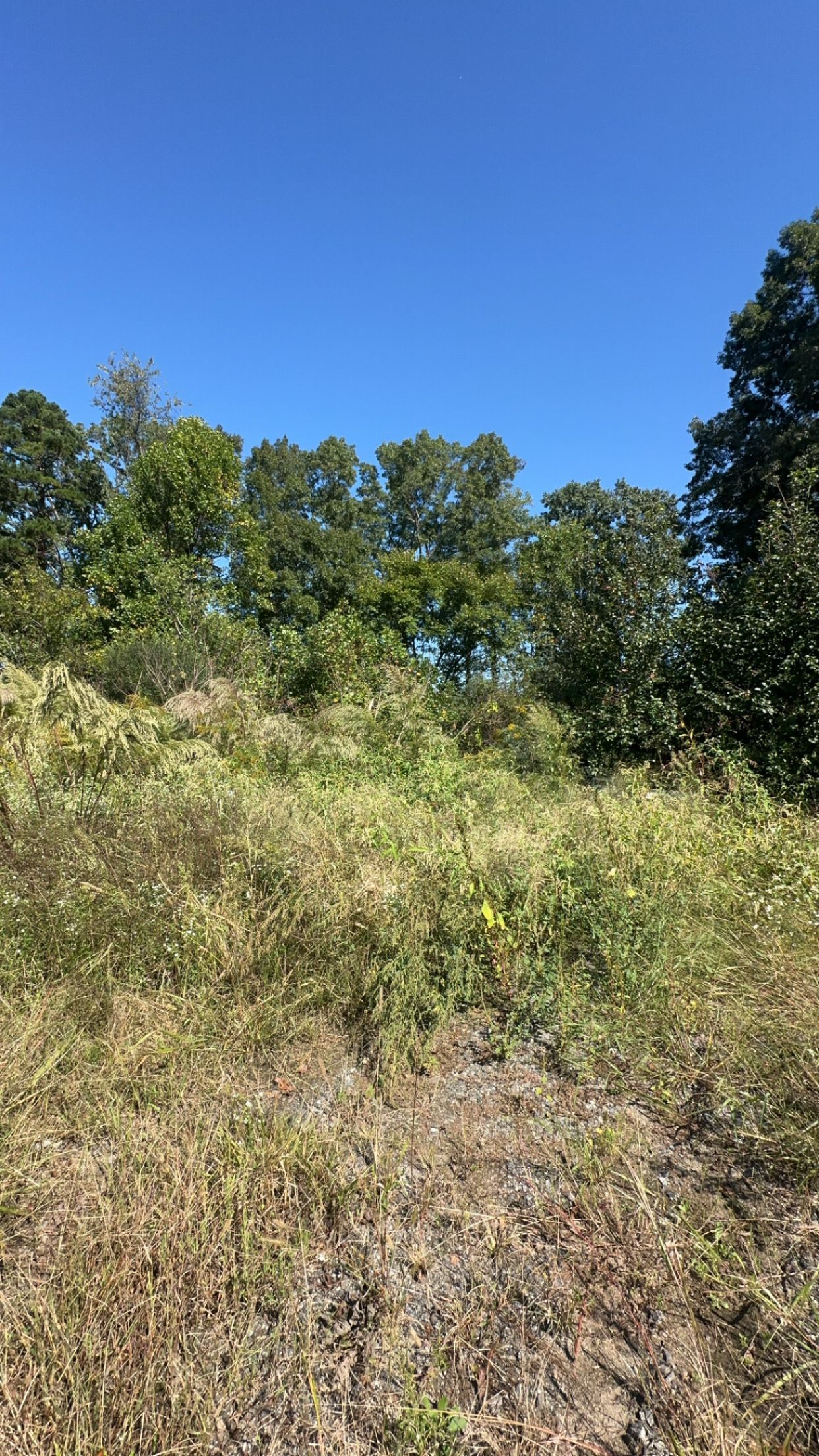
Foothills Land Management removes trees, brush, and heavy vegetation to convert raw land into construction-ready sites across Taylorsville and the surrounding North Carolina foothills. Whether you're preparing a half-acre residential lot or clearing multiple acres for commercial development, the work involves more than just cutting down what's visible—root systems, stumps, and subsurface vegetation all affect grading and foundation work later. Properties designated for farms, hunting land, or commercial sites each require different approaches to vegetation removal based on soil type, drainage patterns, and intended use.
The clearing process begins with evaluating what vegetation needs full removal versus what can be mulched in place, depending on your timeline and how the land will be used. Dense hardwood forests require different equipment and techniques than fields overtaken by saplings and briars, and properties with steep slopes need careful attention to erosion control during and after clearing. Clay-heavy soils common in the foothills compact differently than sandy loam, which affects how equipment moves across the site and what ground preparation follows clearing.
Schedule a property evaluation to determine the best clearing approach for your specific acreage and development plans.
What Proper Land Clearing Requires
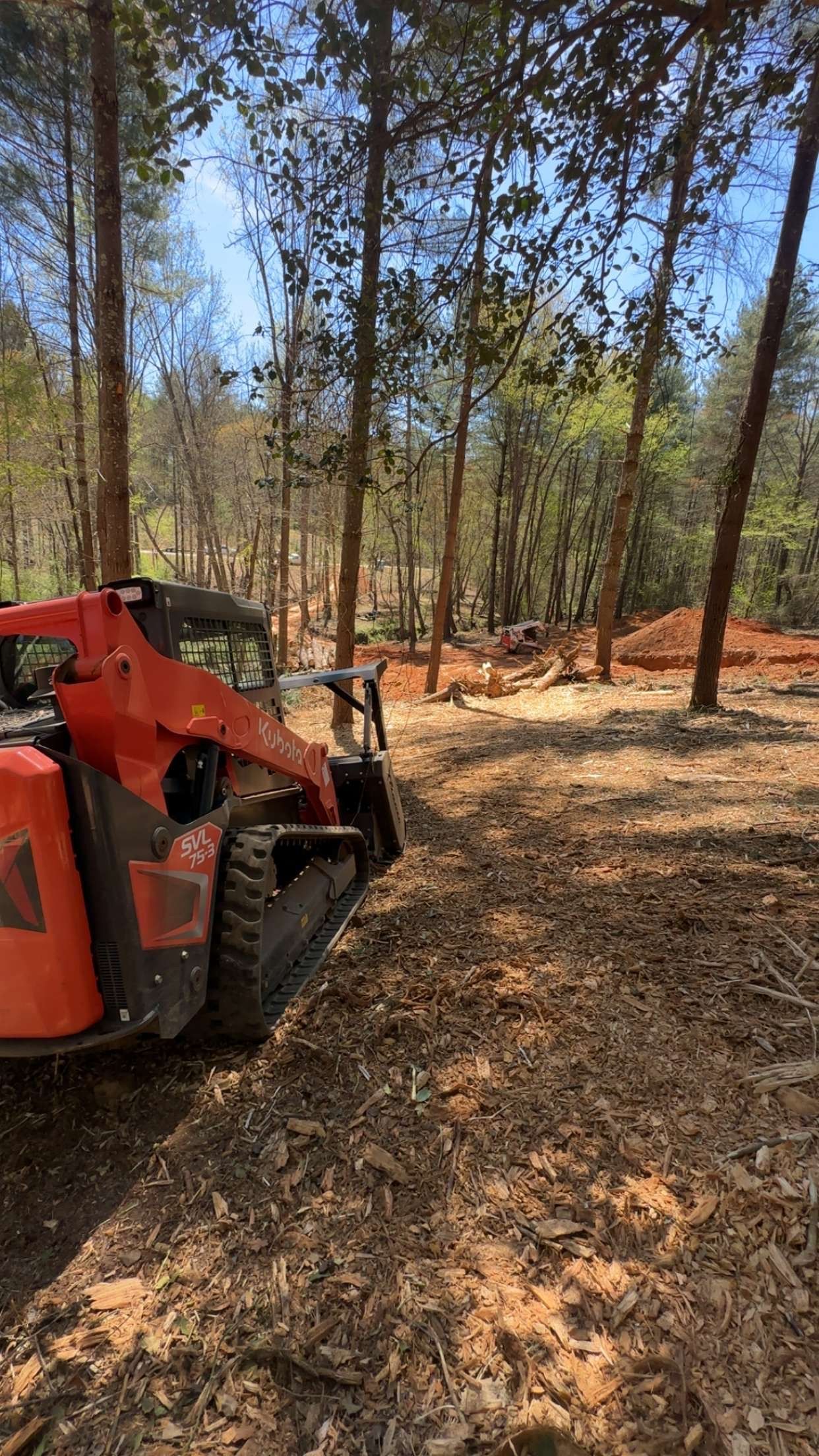
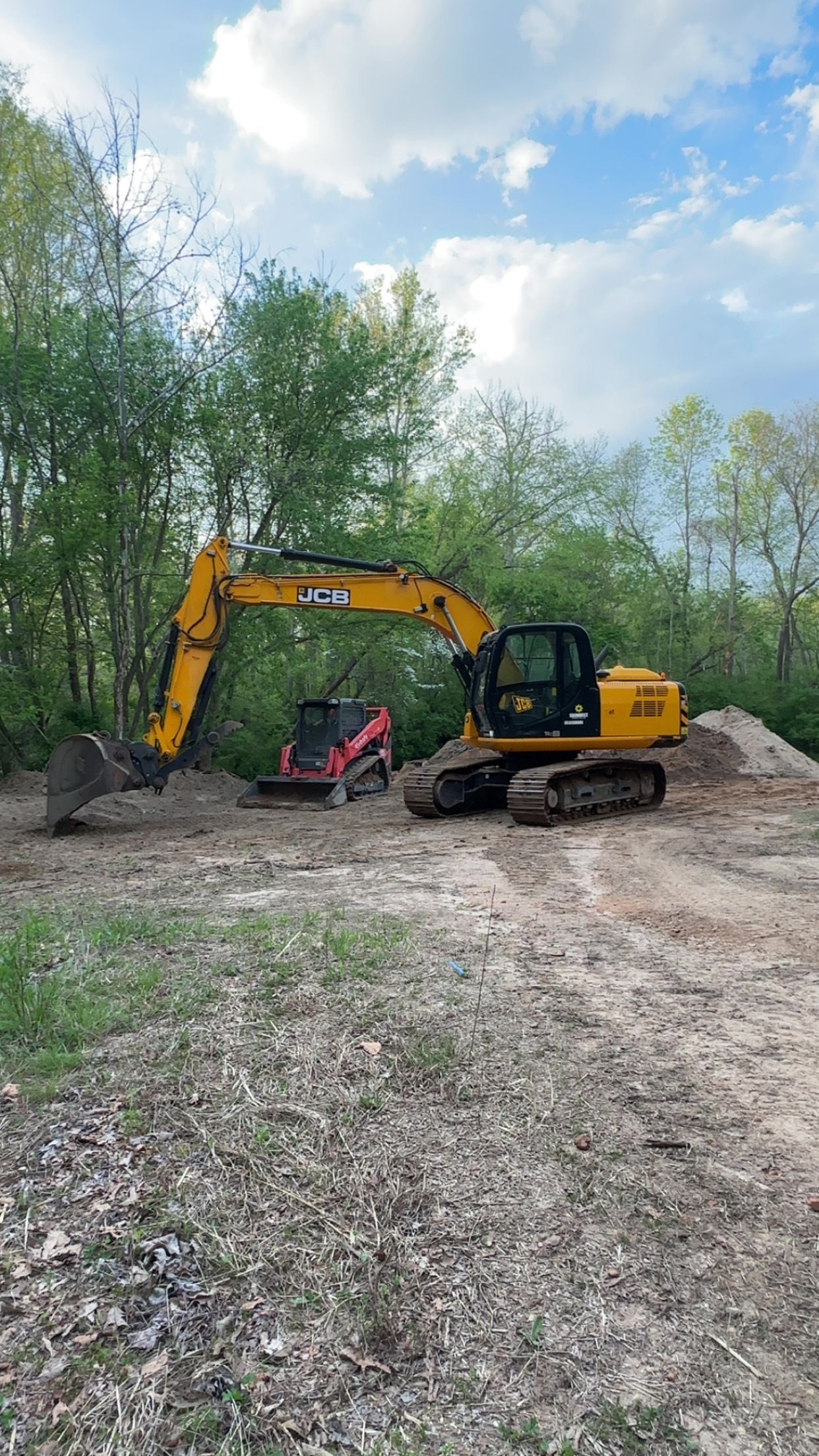
Clearing land correctly means removing vegetation to the depth and extent your project requires while preserving topsoil quality and natural drainage patterns. Small residential lots often need complete stump removal for even grading, while larger agricultural or recreational properties may benefit from selective clearing that maintains windbreaks or wildlife corridors. The equipment used—from tracked mulchers to excavators with grapples—depends on vegetation density, terrain slope, and whether you need the land smooth enough for immediate construction or simply accessible for future development.
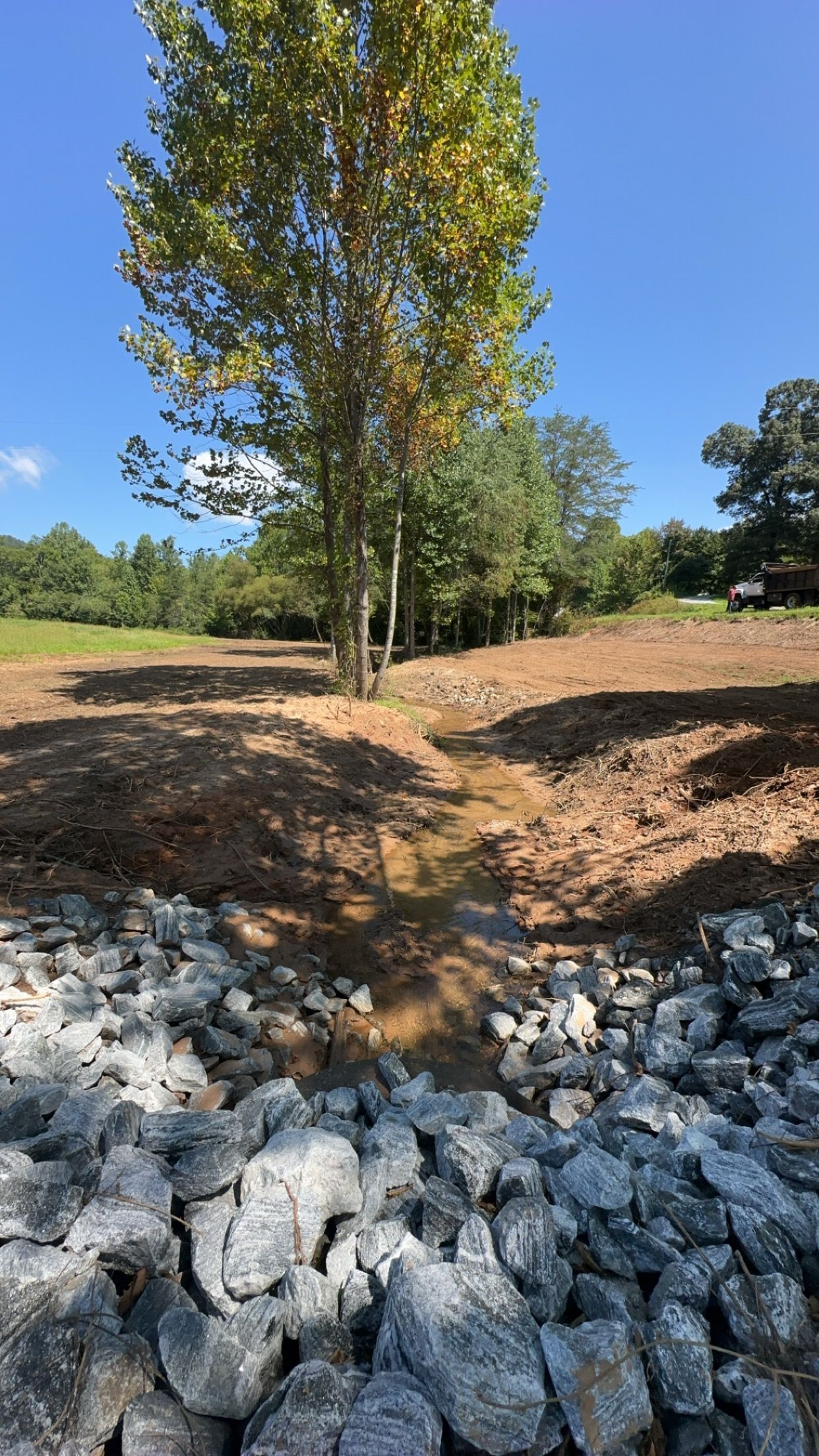
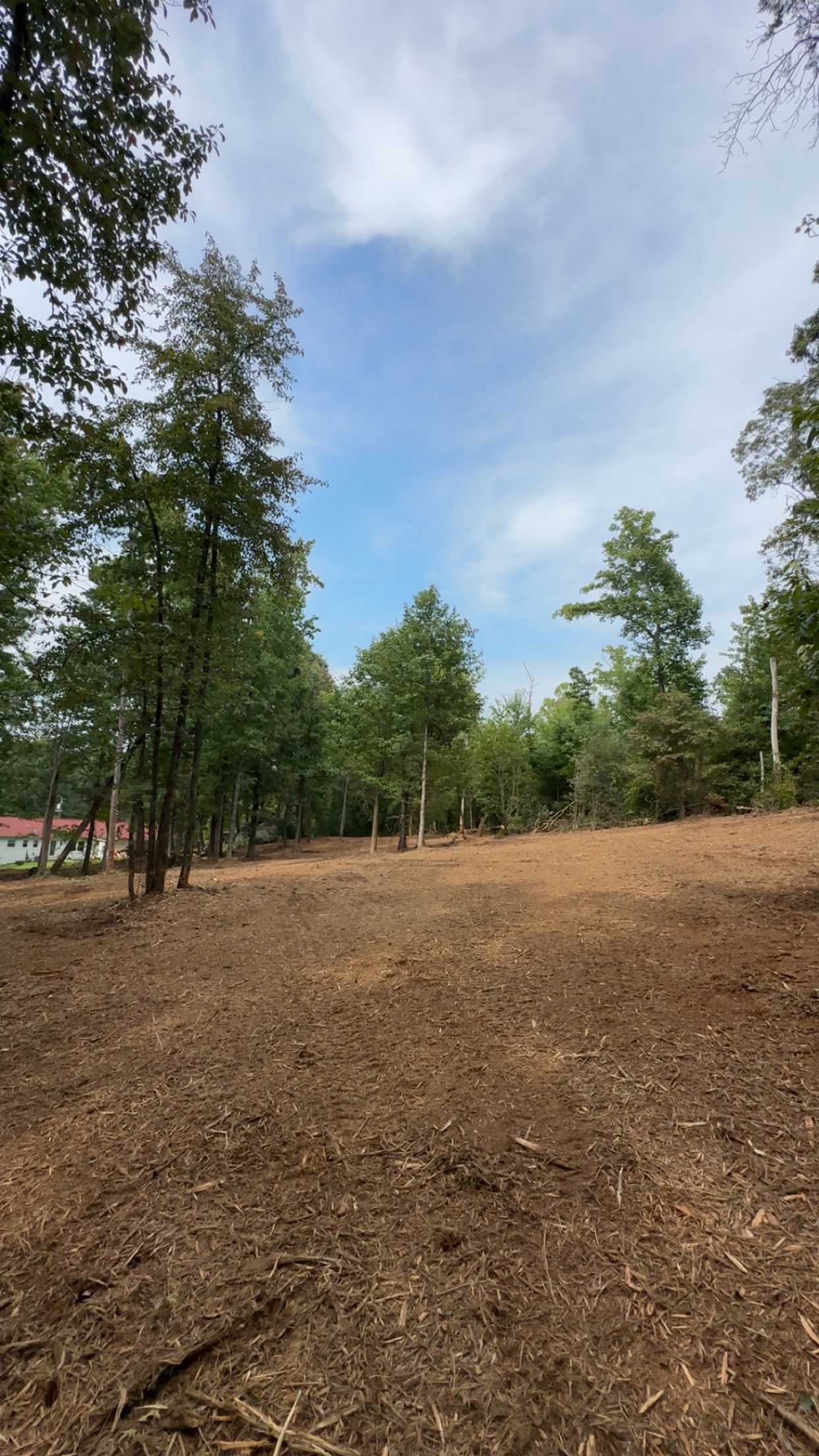
Once clearing is complete, you'll see defined property boundaries, clear sight lines across the land, and a surface ready for grading or planting. Debris piles are removed entirely, not just pushed to the property edge, and the ground is left in a condition that supports the next phase of work without unexpected obstacles. Foothills Land Management coordinates project scheduling to align clearing with construction timelines, so cleared land doesn't sit exposed through multiple weather cycles before building begins.
The scope of clearing varies significantly between projects—a buildable lot for a single home might take one to two days, while multi-acre commercial sites or farm conversions require phased work over weeks. Estimates account for vegetation type and density, access limitations, and whether material will be hauled off-site or chipped and spread. Fully insured service protects both the property and surrounding areas during heavy equipment operation.
What Property Owners Usually Ask
Land clearing projects raise practical questions about process, timing, and what the property will look like when work finishes.
What happens to the trees and brush after they're removed?
Vegetation is either chipped into mulch, hauled away entirely, or stacked for your use as firewood, depending on what you specify during the estimate and what makes sense for the material type.
How is clearing different for a small residential lot versus a large hunting property?
Residential lots typically require complete vegetation and stump removal for construction access, while hunting land often benefits from selective clearing that maintains cover and travel corridors for wildlife.
When is the best time to clear land in Taylorsville?
Ground conditions are firmest during late summer and fall, which reduces rutting and soil compaction, though winter clearing works well when the ground is frozen and spring timing aligns with planting seasons for pasture or crops.
What affects the cost of a clearing project?
The primary cost factors include acreage, vegetation density, tree diameter, terrain slope, and whether stumps need grinding or full extraction based on your intended land use.
How soon can construction start after clearing?
Land is ready for grading and construction as soon as debris is removed and the site is inspected, though you may want to wait for one heavy rain to identify any drainage issues before breaking ground.
Foothills Land Management provides free estimates that account for your property's specific conditions and development goals. Request a free land clearing estimate to review your project timeline and site preparation requirements.